
// Services
Social Skills
What Are Social Skills Groups?
At Jumpstart Center, our Social Skills Groups are designed to help children develop meaningful relationships, improve their communication skills, and build confidence in social settings. Each group is carefully structured to match the developmental level and individual needs of its participants, ensuring every child receives the support and practice they need to thrive socially and emotionally.
We currently run three specialized group programs:
- A Speech and Language-focused group for young learners, run by a speech therapist, targeting early communication, play, and interaction skills.
- An ABA-focused group for young learners, emphasizing behavioral strategies to support positive social engagement, emotional regulation, and classroom readiness.
- A Social Communication group for older children, led by a speech therapist, with a focus on conversation skills, peer interactions, and real-world social problem-solving.
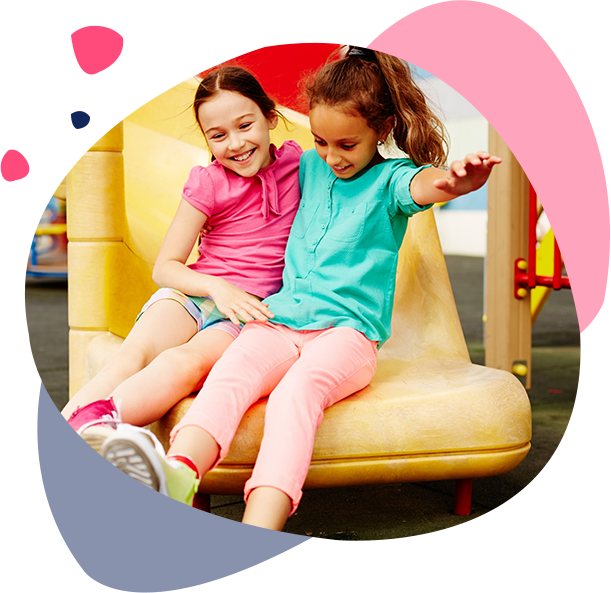
Social Skills
Who Can Benefit from Social Skills Groups?
Social Skills Groups are ideal for children who:
- Struggle with making or maintaining friendships
- Have difficulty taking turns, sharing, or joining group play
- Need support understanding body language, tone of voice, or facial expressions
- Experience challenges with managing frustration or strong emotions
- Tend to dominate conversations or avoid interactions altogether
- Have been diagnosed with autism, ADHD, or social communication difficulties
- Would benefit from structured opportunities to practice social interaction in a safe and supportive setting
Social Skills
What Do Social Skills Groups Involve?
Each session is interactive, play-based, and guided by licensed professionals in speech therapy or applied behavior analysis, depending on the group’s focus. Goals include:
-
Enhancing Communication Skills
Children practice active listening, turn-taking, staying on topic, and expressing themselves clearly during conversations. -
Building Emotional Regulation
We teach children how to recognize emotions, handle frustration, and respond appropriately to social situations. -
Encouraging Teamwork & Cooperative Play
Group games and structured activities foster collaboration, flexibility, and respect for others' ideas. -
Developing Problem-Solving Skills
Children learn how to navigate peer conflict, make compromises, and handle unexpected social challenges. -
Fostering Friendship Skills
Through guided interactions, children practice how to initiate conversations, read social cues, show empathy, and maintain positive peer relationships.
Social Skills Groups are ideal for children who:
- Struggle with making or maintaining friendships
- Have difficulty taking turns, sharing, or joining group play
- Need support understanding body language, tone of voice, or facial expressions
- Experience challenges with managing frustration or strong emotions
- Tend to dominate conversations or avoid interactions altogether
- Have been diagnosed with autism, ADHD, or social communication difficulties
- Would benefit from structured opportunities to practice social interaction in a safe and supportive setting
Each session is interactive and play-based, and is guided by licensed Speech & Language Therapists or by ABA staff, depending on the group’s focus. Goals include:
- Enhancing Communication Skills
Children practice active listening, turn-taking, staying on topic, and expressing themselves clearly during conversations. - Building Emotional Regulation
We teach children how to recognize emotions, handle frustration, and respond appropriately to social situations. - Encouraging Teamwork & Cooperative Play
Group games and structured activities foster collaboration, flexibility, and respect for others' ideas. - Developing Problem-Solving Skills
Children learn how to navigate peer conflict, make compromises, and handle unexpected social challenges. - Fostering Friendship Skills
Through guided interactions, children practice how to initiate conversations, read social cues, show empathy, and maintain positive peer relationships.